Research
Our group works on interdisciplinary problems at the intersection of transport phenomena, interfacial phenomena, and materials science for sustainable energy technologies.
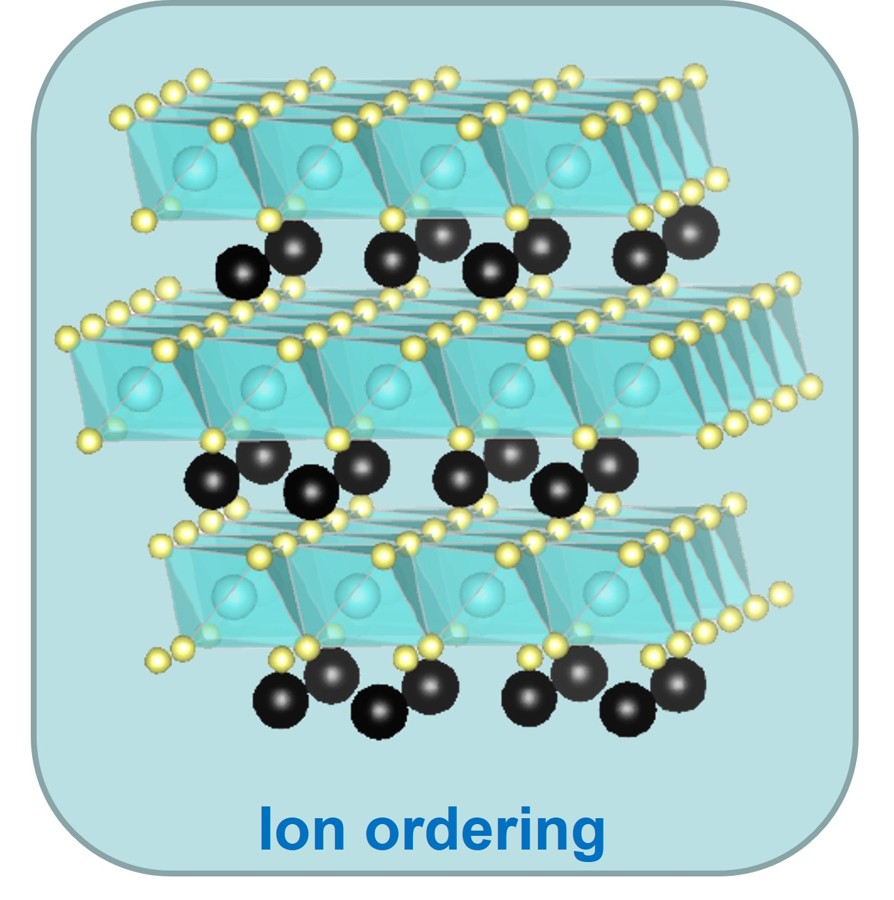
Electrochemical energy storage
We combine theory, numerical simulations, and experiments to study the thermodynamics, dynamic transport, and interfacial phenomena that govern charge storage in electrochemical capacitors and lithium-ion batteries.
We have developed unique operando instrumentation and modalities to identify the thermal signature of charging and degradation mechanisms. We also develop and use continuum models to elucidate the interpretation of conventional electrochemical methods and develop new characterization methods. With our collaborators, we translate these fundamental insights into materials and devices that charge faster, last longer, and run cooler.
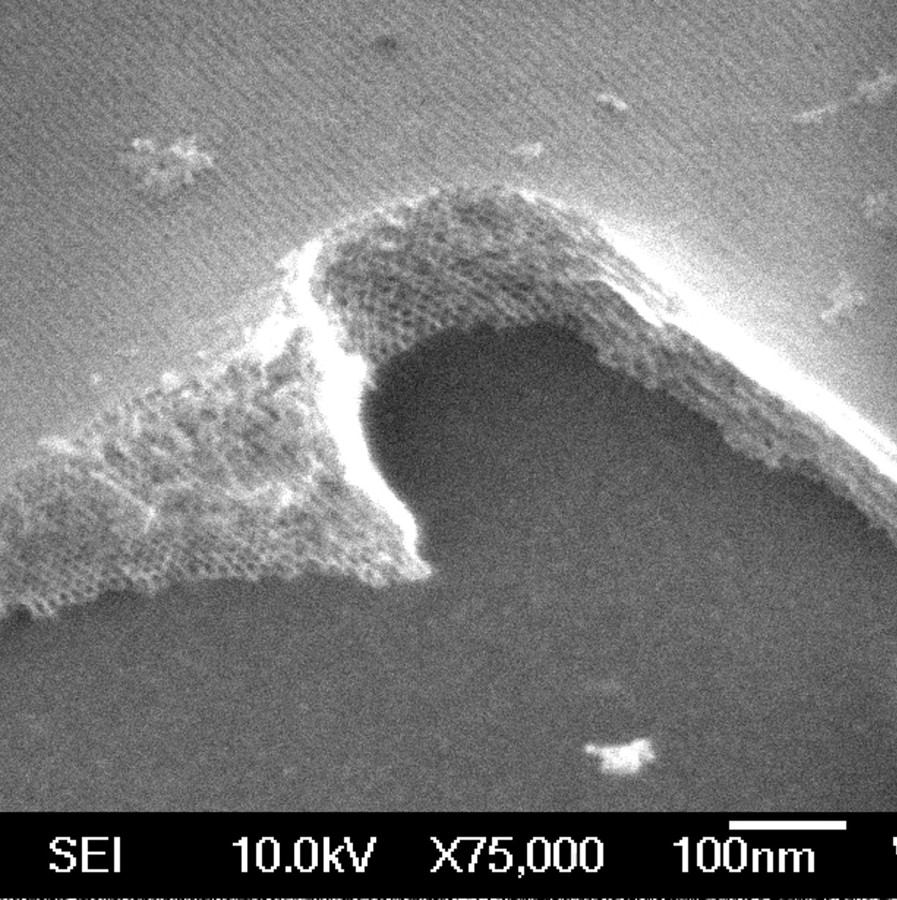
Mesoporous materials
With our collaborators, we synthesize and characterize mesoporous films and particles, as well as aerogel films and monoliths. We measure how their nanoscale architecture controls their thermal, optical, and mechanical properties.
To complement these experiments, we use molecular dynamics and electromagnetic wave simulations on realistic computer-generated microstructures.
This dual approach allows us to decode microstructure-property relationships and establish design rules for functional materials for next-generation energy technologies.
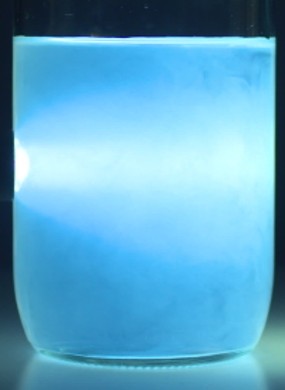
Light–matter interactions & radiation transfer
We measure and simulate how light and thermal radiation are absorbed and scattered by particles, bubbles, droplets, microalgae, and aggregates in complex media. We bridge the gap between theoretical electromagnetic physics and practical engineering applications.
Examples include transparent aerogels for energy-efficient windows, passive radiative cooling, photobioreactors, solar water splitting for hydrogen production, dew and rain on solar panels, energy-efficient glass manufacturing, and variable-emittance textiles.
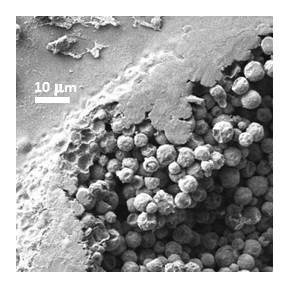
Energy-efficient buildings & infrastructure
With our collaborators, we engineer materials that reduce greenhouse gas emissions and enable sustainable construction. By embedding microencapsulated phase change materials (PCMs) into concrete, we reduce and time-shift peak thermal loads during day–night cycles, substantially cutting cooling energy demand in buildings. These microcapsules also reduce the risk of early-age thermal cracking and can extend the service life of concrete exposed to the elements.
The cement industry accounts for roughly 8% of global CO₂ emissions, largely due to the high-temperature (~1450 °C) conversion of limestone and clay into clinker. We instead produce calcium hydroxide, a precursor for low-carbon binders, at temperatures below 100 °C from calcium-rich industrial slag, without calcining limestone. Through accelerated carbonation, this approach permanently stores CO₂ in the concrete, turning an industrial waste into durable infrastructure.
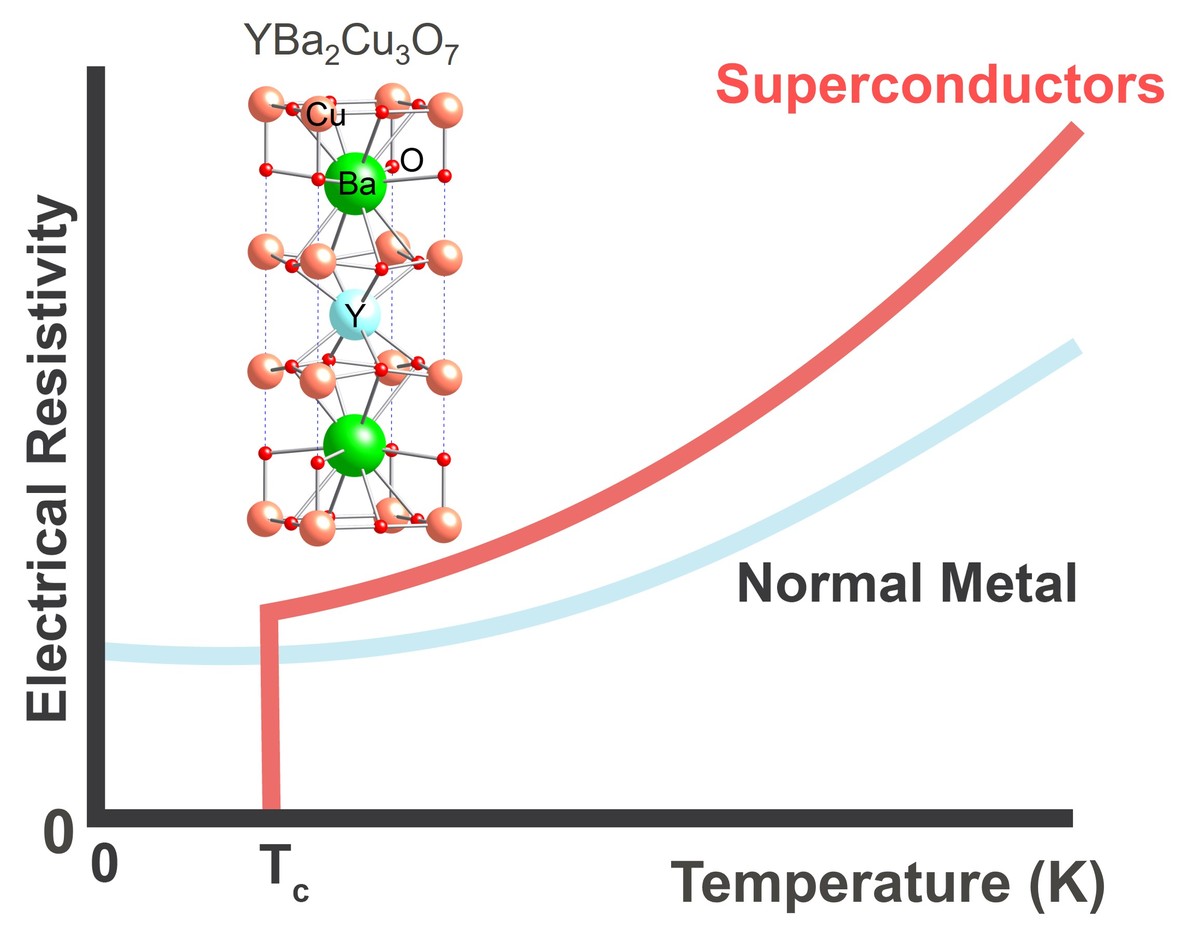
Cryogenics & high-temperature superconducting technologies
High-temperature superconductors (HTS) carry electrical current with virtually no resistance and can be used to generate very strong magnetic fields in compact devices. They are essential to fusion energy and can enable power transmission, electric aviation, and the electrification of everything. However, their widespread use is limited by the cost and scalability of HTS tape manufacturing and by the need for efficient, reliable, and affordable cryogenic cooling.
Building on Prof. Pilon’s experience at ARPA-E, the Gradient Lab is launching a new research thrust that combines materials science, manufacturing, and thermal sciences to address these challenges. We welcome conversations with companies, national laboratories, and universities interested in collaborating.
Earlier research
Areas where the group has an established body of work.
Photobiological CO₂ conversion into biofuels
Radiation characteristics of microalgae and cyanobacteria used to design photobioreactors and raceway ponds for biomass, biofuel, and hydrogen production.
Waste heat harvesting
Direct conversion of low-grade waste heat into electricity with pyroelectric materials and the Olsen cycle.
Foams and microfoams
Foam formation, rheology, gas diffusion, and heat transfer in liquid foams and microfoams.
Glass manufacturing
Flow, bubble transport, and foaming in glass melting furnaces for energy efficiency and product quality.
Biomedical optics
Reflectance, fluorescence, and hyperspectral imaging of skin for non-invasive diagnosis of diabetic foot ulcers.
Research support
Our research has been supported by the following agencies and organizations.