Gradient Lab
Tufts University

∇ Lab

Energy Materials • Interfaces • Transport

∇ is the gradient operator: gradients in temperature, concentration, and electric potential drive the transport of heat, ions, and charges that we study.

We work at the intersection of transport and interfacial phenomena, materials science, and electrochemistry to advance sustainable energy storage, conversion, and efficiency. Our group combines materials synthesis, operando measurements, and physics-based modeling, from the nanoscale to full devices. The Gradient Lab is part of the Tufts Epsilon Materials Institute (TEMI), directed by Prof. Pilon.

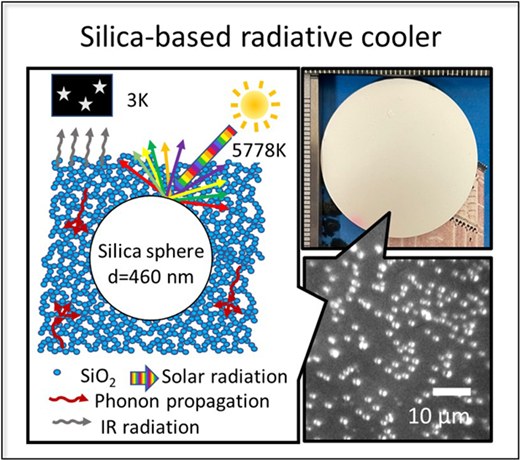
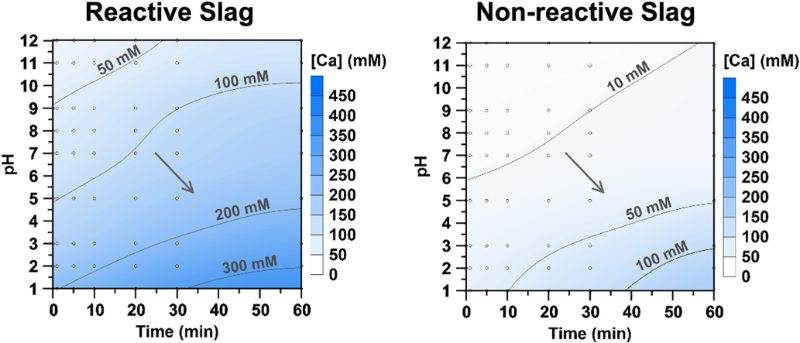
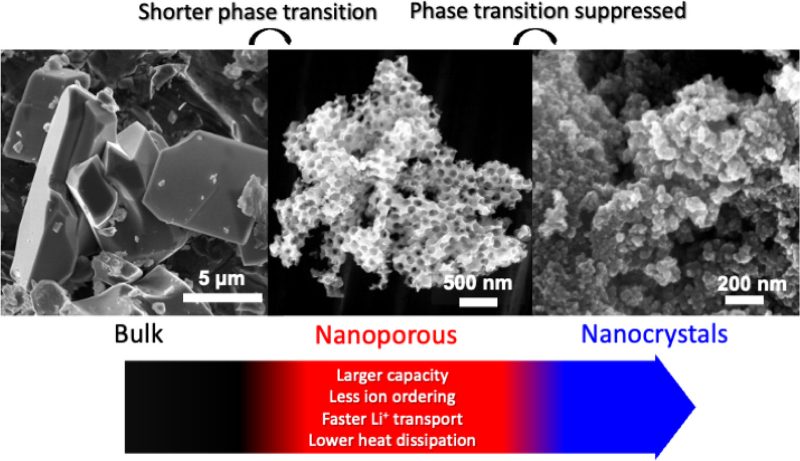
Graphical abstractGraphical abstractGraphical abstractGraphical abstractGraphical abstractGraphical abstract

Recent work · select an image to open the article

220+journal articles
17,500+citations (Google Scholar)
69h-index
6patents
80+alumni
Research

Five research thrusts

Electrochemical energy storage, mesoporous materials, radiation transfer, sustainable buildings, and our new thrust on cryogenics and superconductivity.

See research →
Members

People

More than 80 alumni now at universities, NASA JPL and national laboratories, and companies such as Apple, Intel, and SpaceX.

Meet the group →
Publications

Searchable publication list

All of our journal articles, searchable by topic, with graphical abstracts, PDFs, and citations.

Browse publications →
Institute

TEMI

The Tufts Epsilon Materials Institute, directed by Prof. Pilon, connects materials research across Tufts with industry.

Visit TEMI →

Impact highlights

Two contributions that have become reference points for the electrochemical energy storage community.

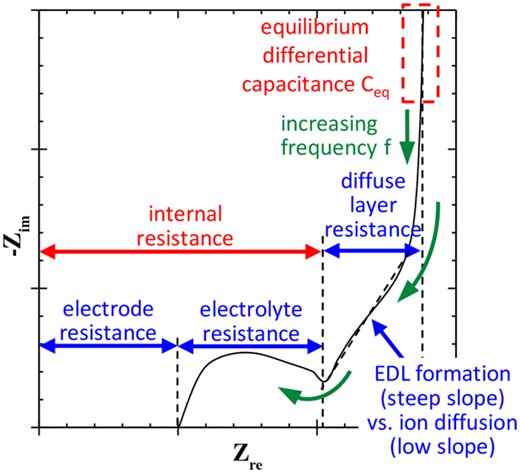
Nyquist plot of an electric double layer capacitor electrode annotated with the electrode, electrolyte, and diffuse layer resistances and the equilibrium differential capacitance.
Electrochemical impedance spectroscopy

Physical interpretations of Nyquist plots

Interpretations of electrochemical measurements like EIS and cyclic voltammetry vary widely and often lead to misinterpretation. Using physics-based models for ion transport and electric double-layer formation, our group demonstrated how specific Nyquist plot features correspond to electrode, electrolyte, and diffuse layer resistances, as well as equilibrium differential capacitance. These quantities can now be retrieved directly from measurements, yielding an internal resistance that closely agrees with the galvanostatic “IR drop.” We have extended this foundational analysis to interpret EIS for hybrid supercapacitors and batteries, as well as cyclic voltammograms for electrochemical capacitors.

1,800+ citations: this method has been used to characterize novel supercapacitor electrode materials (e.g., new carbons, MOFs, MXenes) and other applications including electrocatalysis, photocatalysis, biosensors, and membranes.
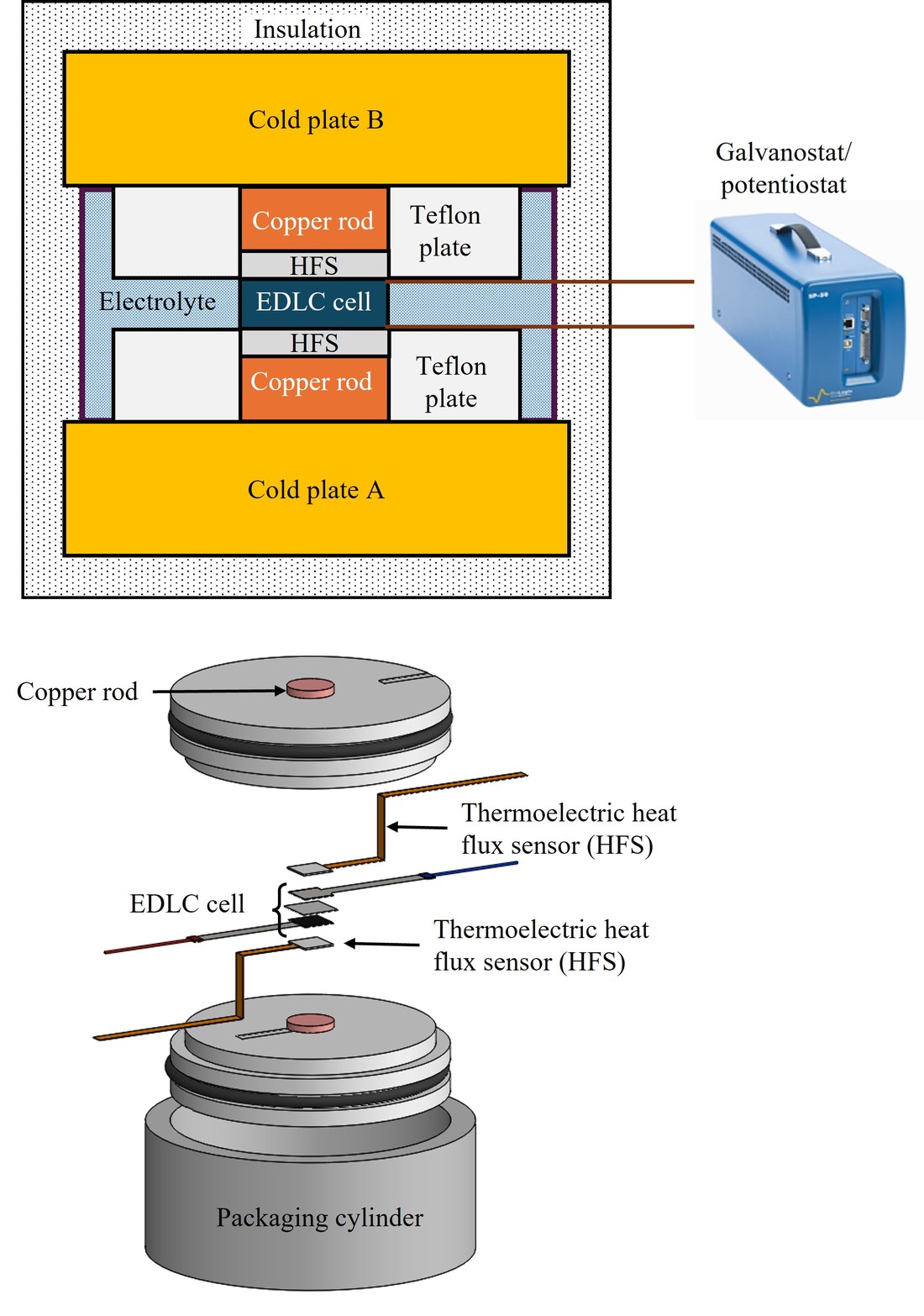
Illustration of the operando isothermal calorimeter measuring the heat generation rate at each electrode independently.
Operando calorimetry

Measuring heat generation at each electrode during cycling

Our group designed and built operando isothermal calorimeters that measure the instantaneous heat generation rate at each electrode in battery or electrochemical capacitor cells. Combined with potentiometric entropy measurements, these thermal signatures reveal charging mechanisms, phase transitions, side reactions, and degradation that electrical measurements alone cannot detect.

Used in more than a dozen studies with collaborators, from supercapacitors with ionic liquid electrolytes to fast-charging lithium-ion battery materials.

News

Research areas

Each thrust pairs experiments with modeling to understand how energy and matter move across interfaces.

Electrochemical energy storage

Electrochemical energy storage

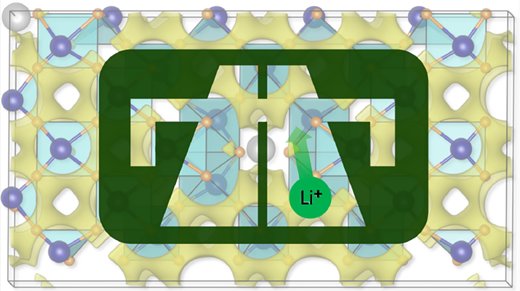
We combine theory, numerical simulations, and experiments to study the thermodynamics, dynamic transport, and interfacial phenomena that govern charge storage in electrochemical capacitors and lithium-ion batteries.

Mesoporous materials

Mesoporous materials

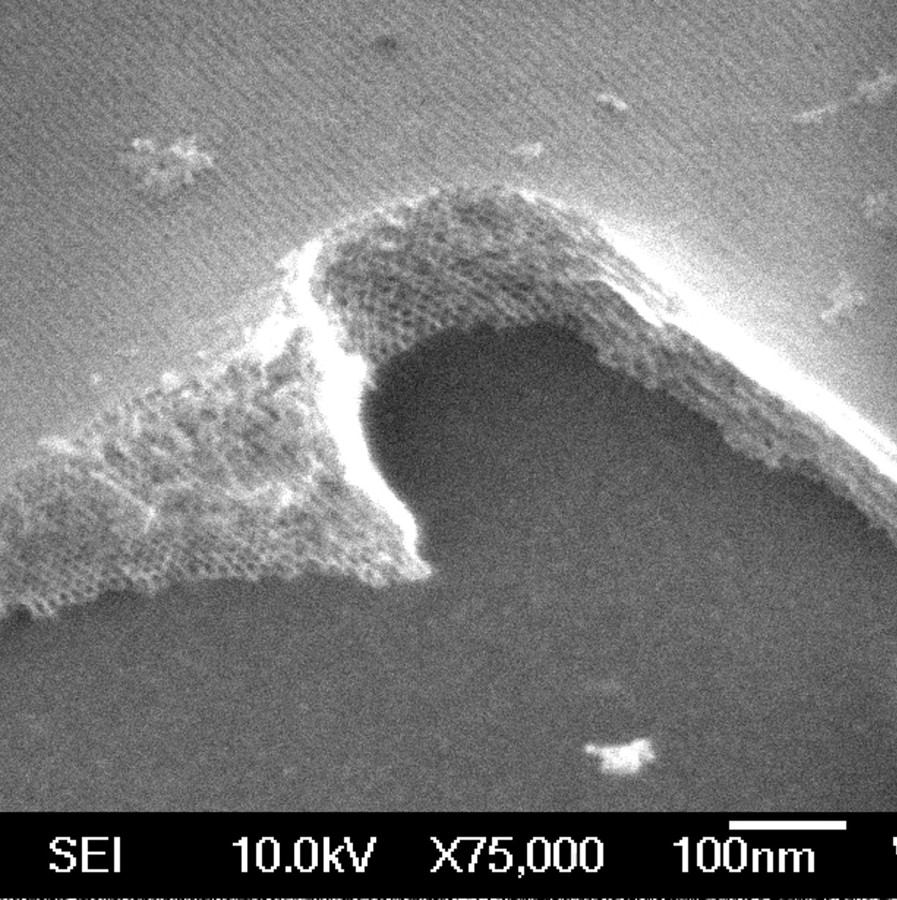
With our collaborators, we synthesize and characterize mesoporous films and particles, as well as aerogel films and monoliths. We measure how their nanoscale architecture controls their thermal, optical, and mechanical properties.

Light–matter interactions & radiation transfer

Light–matter interactions & radiation transfer

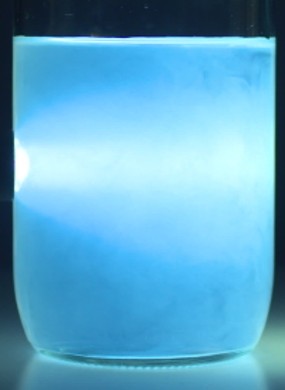
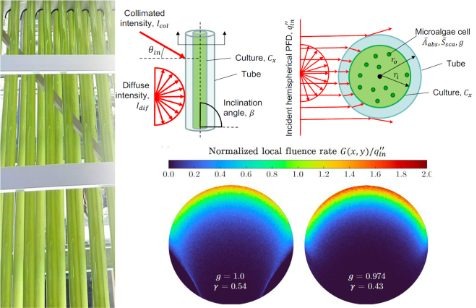
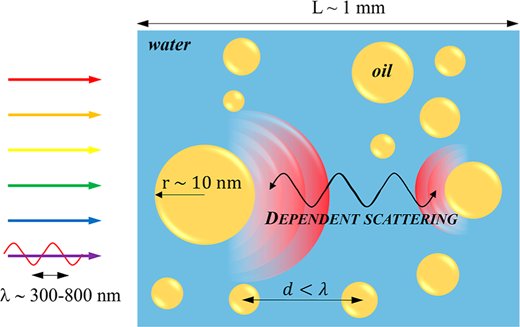
We measure and simulate how light and thermal radiation are absorbed and scattered by particles, bubbles, droplets, microalgae, and aggregates in complex media. We bridge the gap between theoretical electromagnetic physics and practical engineering applications.

Energy-efficient buildings & infrastructure

Energy-efficient buildings & infrastructure

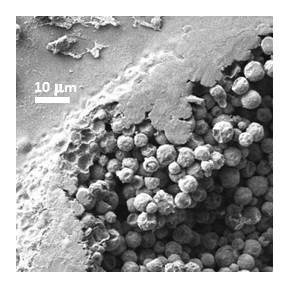
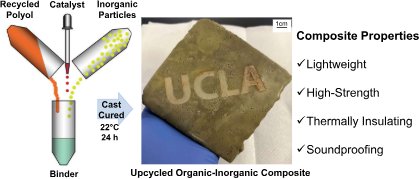
We engineer materials that enable sustainable construction and reduce energy consumption. By embedding microencapsulated phase change materials into concrete, we reduce and time-shift peak thermal loads during day–night cycles. These microcapsules also reduce the risk of early-age thermal cracking and can extend the service life of concrete exposed to the elements.

Cryogenics & high-temperature superconducting technologies
New research thrust

Cryogenics & high-temperature superconducting technologies

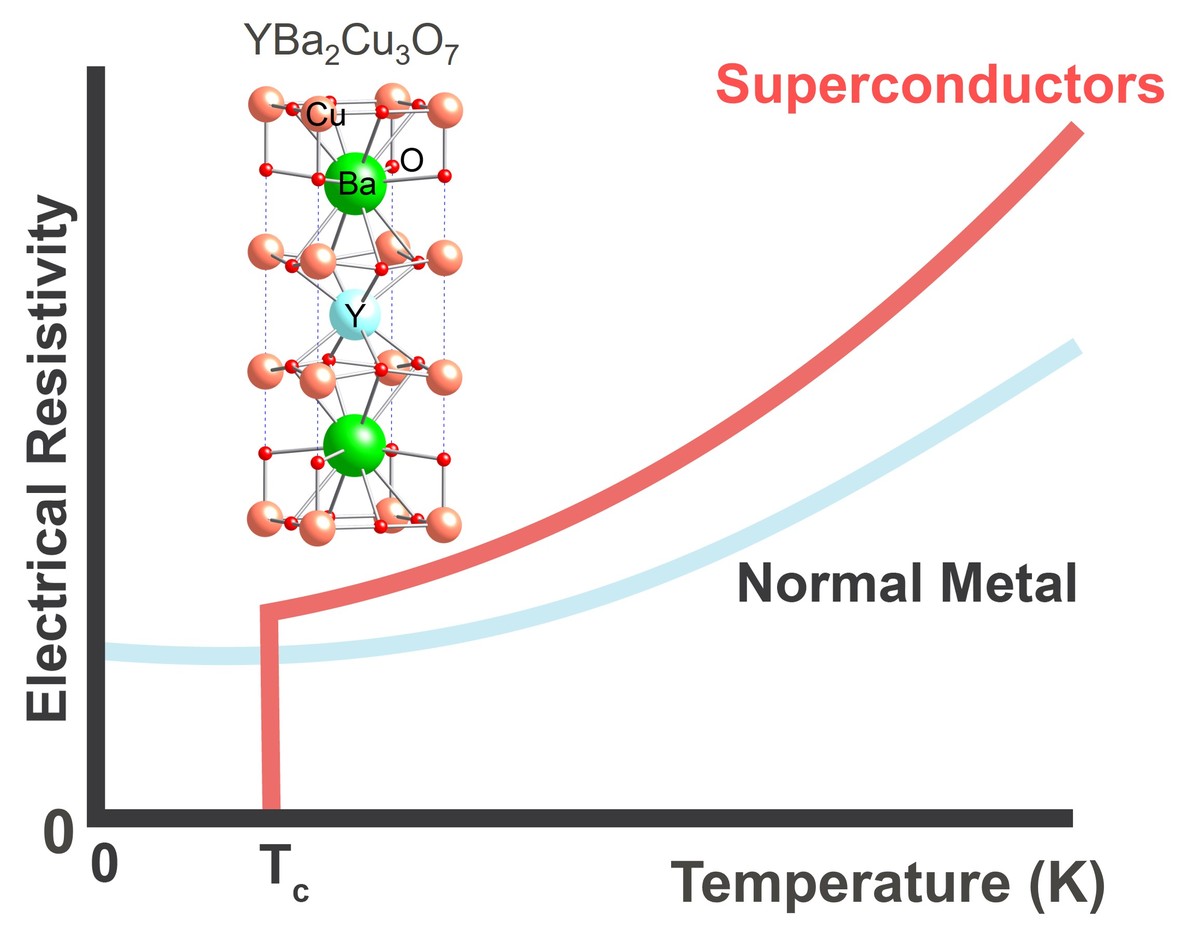
High-temperature superconductors (HTS) can be used to generate very strong magnetic fields in compact energy systems and are essential to fusion energy. However, their widespread use is limited by the cost and scalability of HTS tape manufacturing and by the need for efficient, reliable, and affordable cryogenic cooling. Building on Prof. Pilon’s experience at ARPA-E, this new research thrust combines materials science, manufacturing, and thermal sciences to address these challenges.

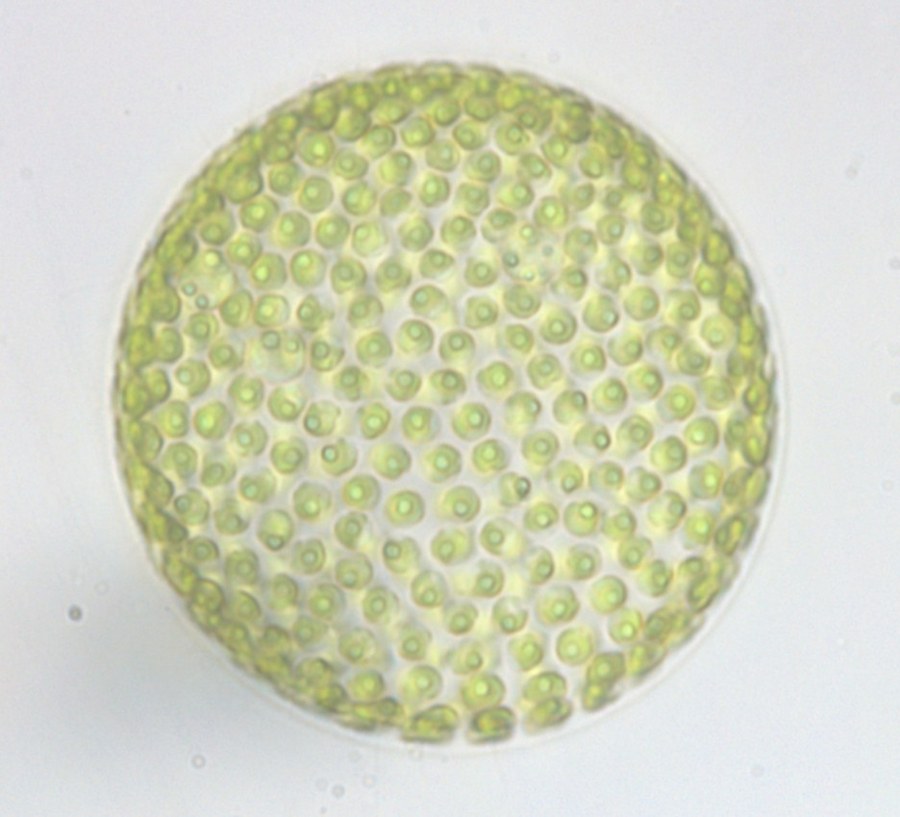
Microalgae colony

Earlier research

Photobiological CO₂ conversion into biofuels by microalgae and cyanobacteria in photobioreactors and raceway ponds; conversion of low-grade waste heat into electricity with pyroelectric materials; foam formation, rheology, and heat transfer in foams and microfoams; flow and foaming in glass melting furnaces; and skin imaging for non-invasive diagnosis of diabetic foot ulcers.

Recent publications

All publications →

Supported by

All sponsors →

Join the Gradient Lab

We are recruiting PhD students and postdoctoral researchers, and we welcome visiting scholars and industry partners interested in energy materials, interfaces and transport.